

Hangease net worth is estimated at $0 in 2026, reflecting the reported closure of the Hang Ease business rather than a verified personal fortune for founder Ryan Landis. Hang Ease began as a school project and developed into a patented collapsible clothes hanger designed to make removing shirts easier without stretching garments. The product gained retail exposure, including sales through Walmart, before Landis appeared on Shark Tank seeking $80,000 for 30% equity.
Mark Cuban and Lori Greiner agreed to the proposed deal, subject to due diligence, but the investment ultimately did not close. The company’s later decline highlights challenges involving manufacturing costs, competition, retail distribution, pricing, and maintaining consistent business growth over time.
Quick Facts
| Fact | Details |
| Brand | Hang Ease Hangers |
| Founder | Ryan Landis |
| Product | Collapsible clothes hanger |
| Origin | Started from a school invention project |
| Founded | Around 2012 |
| Shark Tank Ask | $80,000 |
| Equity Offered | 30% |
| Proposed Valuation | About $266,667 |
| Shark Tank Investors | Mark Cuban and Lori Greiner |
| Early Sales | About 400,000 hangers sold |
| Reported Early Revenue | Around $200,000 in sales |
| 2026 Status | Business closed; estimated current value: $0 |
Hangease Hangers Net Worth in 2026
The commonly reported Hang Ease hangers net worth 2026 figure is $0, reflecting the brand’s reported closure and lack of an active commercial operation.
However, this estimate requires an important clarification. A business being inactive does not automatically mean its founder has no personal wealth. There is no reliable public financial statement establishing Ryan Landis’s current net worth. Therefore, the $0 figure is best understood as an estimate of Hang Ease’s present operating business value rather than a verified measure of Landis’s personal fortune.
Hang Ease had meaningful commercial activity during its earlier years. Landis reportedly sold about 400,000 hangers through Walmart, generating approximately $200,000 in sales and around $70,000 in profit. Those figures show that the invention moved beyond the idea stage and achieved real retail sales.
The business’s Shark Tank proposal also placed its value considerably higher at the time:
- Investment requested: $80,000
- Equity offered: 30%
- Implied valuation: Approximately $266,667
- Current status: Reported inactive
- Estimated current business value: $0
For people searching for Hang Ease net worth today, the most cautious answer is that the company has no known active operating value. The former website and social presence became inactive, while the product disappeared from mainstream retail availability.
Hang Ease on Shark Tank: Deal and Valuation
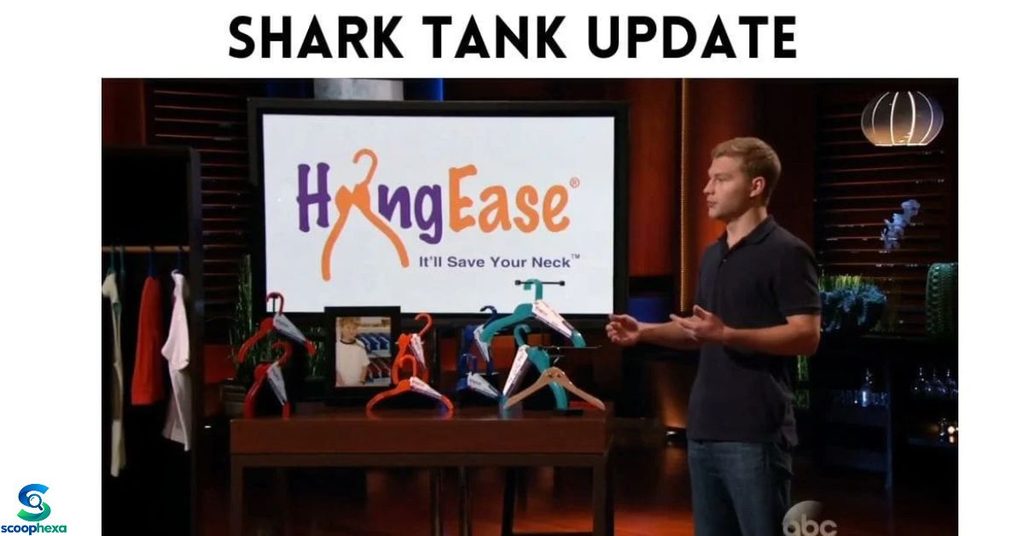
The Hang Ease Shark Tank appearance became the defining public moment in the company’s history.
Ryan Landis entered the Tank seeking $80,000 in exchange for 30% of the business. Based on that offer, the implied company valuation was approximately $266,667.
During the pitch, Landis demonstrated the collapsible hanger and discussed the product’s previous retail success. Its Walmart distribution gave the business evidence of consumer demand, although the long interruption in operations became an important issue during the presentation.
The pitch resulted in a conditional agreement involving Mark Cuban and Lori Greiner. The proposed investment was $80,000 for 30% equity, with patent verification forming part of the due-diligence process.
Landis accepted the proposal on the show, but appearing to reach an agreement on television is different from completing an investment after filming. Follow-up reporting indicates that the proposed deal ultimately did not close.
That distinction is important when discussing the Hang Ease Shark Tank outcome. The company received a televised investment proposal, but it did not become a completed Shark-backed investment.
Founder of Hang Ease Hangers: Ryan Landis
Ryan Landis is the Hang Ease founder behind the collapsible hanger invention.
His entrepreneurial story began when he developed the original concept as a school project. The idea was later developed into a patented product and moved into commercial retail, including Walmart.
Landis’s early success gave him experience in several areas that are difficult for young entrepreneurs to learn at the idea stage. These included product development, manufacturing, retail distribution, sales, and presenting a consumer product to investors.
One unusual aspect of his story was the lengthy interruption between the product’s early commercial activity and its later Shark Tank appearance. Landis explained that he had stepped away from the business to concentrate on school.
That interruption mattered because consumer-product businesses often depend on continuous sales, marketing, inventory management, and distribution. By the time Hang Ease returned to public attention, the company needed to rebuild momentum rather than simply continue an uninterrupted growth path.
Why Did Hang Ease Hangers Fail?
The question why did Hang Ease hangers fail? does not have one officially confirmed answer. Instead, the available information points to several challenges that affected the company’s ability to maintain long-term momentum.
Long Business Interruption
One major challenge was the extended period when Landis was not actively developing the business.
Hang Ease had already achieved retail sales, but that early momentum was not maintained continuously. During the Shark Tank pitch, the sharks questioned the lengthy gap in business activity.
For a consumer product, a long interruption can affect retailer relationships, customer awareness, inventory, marketing, and competitive positioning.
Pricing and Competition
Hang Ease also faced competition from inexpensive traditional hangers.
A Shark Tank recap reported that Walmart sold a four-pack of Hang Ease hangers for $3.89, while conventional hangers could be purchased for considerably less. That price difference created a challenge because consumers had to see enough additional value in the collapsible design to justify paying more.
The product offered a specific convenience, but competing with a familiar and inexpensive household item can be difficult without strong differentiation and broad distribution.
Manufacturing Costs
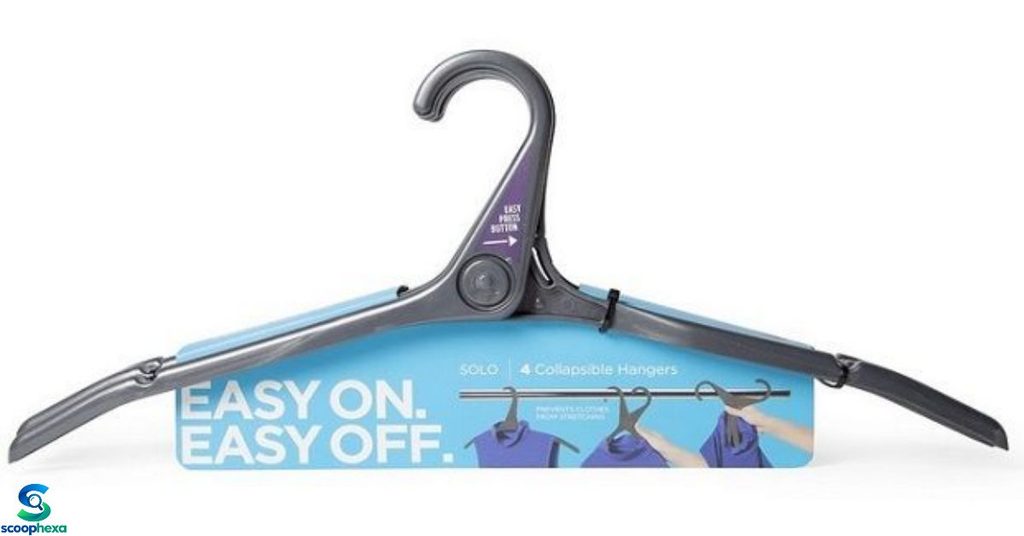
The collapsible design was more complicated than a basic plastic hanger. Hinges and additional components can increase manufacturing and assembly requirements.
Higher production costs can place pressure on several areas of a consumer-product business, including:
- Unit manufacturing costs
- Retail margins
- Wholesale pricing
- Shipping
- Inventory investment
- Final consumer price
For a small company, achieving enough production volume to reduce per-unit costs can also be challenging.
Retail Dependence
Walmart gave Hang Ease valuable exposure and sales volume, but relying heavily on a major retailer can create risks for a small consumer brand.
A sustainable business may need several routes to customers, such as direct online sales, additional retailers, distributors, and marketplaces. If one important sales channel weakens, the company can experience a significant decline in revenue.
Read More:Alberti Popaj Net Worth 2026: QVC Income Revealed
The Shark Tank Deal Did Not Close
The proposed investment from Mark Cuban and Lori Greiner could potentially have provided additional capital and business expertise. However, the agreement did not ultimately become a completed investment.
Follow-up reporting has associated the unsuccessful transaction with the due-diligence process and patent-related concerns. However, the precise private reason for the deal’s collapse has not been publicly established.
Because the investment did not close, Hang Ease did not receive the expected Shark-backed capital or relaunch associated with the televised agreement.
Hang Ease Business Growth and Sales
The Hang Ease business experienced several distinct phases rather than a steady path of growth.
Early Stage: Invention and Development
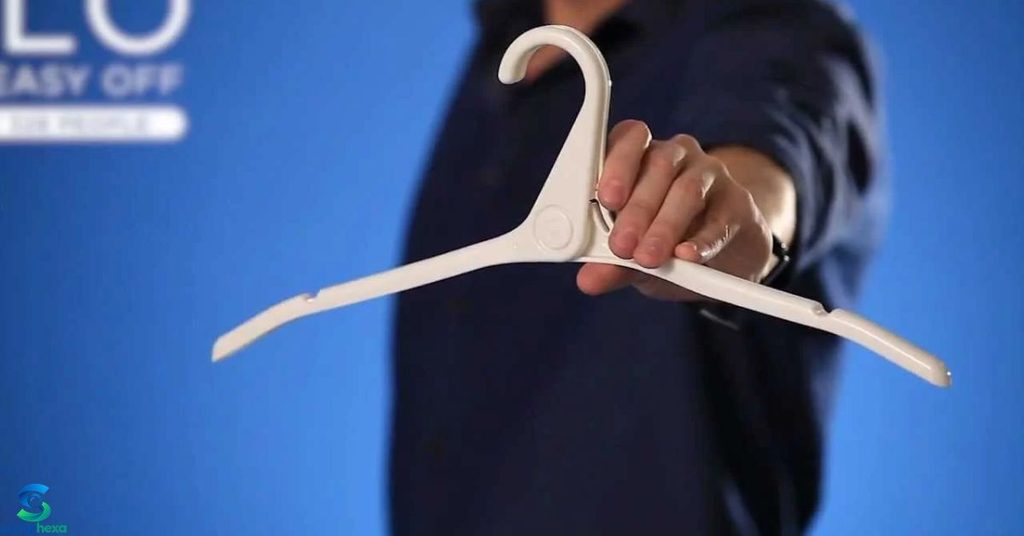
The concept began as a school project and addressed a straightforward clothing-care problem. The collapsible design allowed users to remove clothing more easily without forcing garments over a conventional hanger.
The invention was eventually patented and developed into a commercial product.
Growth Stage: Retail Sales
Hang Ease moved from invention to retail distribution, including Walmart.
Landis reportedly sold approximately 400,000 hangers and generated around $200,000 in sales, with reported profit of approximately $70,000. These numbers provided evidence that the product had attracted actual customers.
Shark Tank Stage: National Exposure
The company’s Shark Tank appearance introduced Hang Ease to a national television audience.
Landis requested $80,000 for 30% equity, implying a valuation of roughly $266,667. The proposed agreement with Mark Cuban and Lori Greiner created another opportunity for the company to gain capital and exposure.
However, the agreement was conditional and did not ultimately close.
Decline Stage: Inactivity
After the Shark Tank appearance, Hang Ease did not achieve the expected long-term relaunch.
Follow-up reporting indicates that the deal failed to close, the company’s online presence became inactive, and its retail availability disappeared. The business is now generally described as closed or out of business.
This explains why the current Hang Ease hangers net worth estimate is substantially different from the company’s proposed Shark Tank valuation.
Lessons From the Hang Ease Business Journey
The Hang Ease story provides several practical lessons about building a physical consumer-product company.
1. Innovation Needs Consistent Execution
A useful invention can attract attention, but sustained execution is necessary to turn an idea into a lasting business.
Hang Ease demonstrated that the product could be invented, patented, manufactured, and sold. Maintaining those activities consistently over time proved more difficult.
2. Price Matters
Consumers naturally compare a new product with cheaper alternatives.
When a conventional hanger costs significantly less, a premium product needs to communicate a clear and easily understood benefit. The greater the price difference, the stronger the value proposition needs to be.
3. Retail Distribution Should Be Diversified
A major retail partnership can produce substantial sales, but depending too heavily on one channel can create vulnerability.
Potential channels for a consumer product include:
- Direct-to-consumer websites
- Multiple retail partnerships
- Wholesale distribution
- Online marketplaces
- Social media marketing
- Additional specialty retailers
A diversified distribution strategy can reduce dependence on a single source of customers.
4. Capital Should Solve Specific Problems
Investment can help a company scale, but capital is most useful when it addresses clearly defined business constraints.
For Hang Ease, additional funding could potentially have supported manufacturing, inventory, marketing, and distribution. The proposed Shark Tank investment, however, did not become a completed deal.
5. A Patent Does Not Build a Brand by Itself
Intellectual-property protection can help protect an invention, but it does not automatically create consumer demand.
A successful physical product also requires:
- Reliable manufacturing
- Cost control
- Strong branding
- Distribution
- Customer acquisition
- Competitive pricing
- Long-term planning
6. Timing Can Affect a Startup
Hang Ease also illustrates the importance of timing.
The invention achieved early retail sales, but Landis’s educational priorities contributed to a lengthy interruption in the company’s development. When the product later returned to public attention, it had to operate within a changed competitive environment.
FAQs
What is Hang Ease hangers net worth today?
Hang Ease’s current business value is estimated at $0 because the brand is reported as closed and no longer operates as an active consumer business.
Is Hang Ease still in business?
No. Available reporting describes Hang Ease as out of business, with its former website, social presence, and mainstream retail availability no longer active.
Did Hang Ease get a Shark Tank deal?
The company received a proposed $80,000-for-30% agreement involving Mark Cuban and Lori Greiner, but the deal did not ultimately close.
What made Hang Ease unique?
Hang Ease used a collapsible hanger design with a center hinge, allowing clothing to be removed more easily without stretching the garment opening.
Can you still buy Hang Ease hangers?
The hangers are not known to be commercially available through the brand’s former retail and online channels, and current reporting indicates the product has been discontinued.
Conclusion
The hangease net worth story reflects the challenges of turning an innovative consumer product into a sustainable company. Ryan Landis developed Hang Ease from a school invention into a patented collapsible hanger that reached Walmart and generated meaningful early sales. The company later appeared on Shark Tank, where Landis sought $80,000 for 30% equity and received a conditional proposal involving Mark Cuban and Lori Greiner.
The proposed investment, however, did not close. Hang Ease struggled with issues including business interruption, pricing pressure, manufacturing considerations, retail dependence, and the difficulty of maintaining long-term momentum. The brand eventually became inactive.
In 2026, Hang Ease’s current operating business value is commonly estimated at $0. That figure should not be interpreted as Ryan Landis’s personal net worth, because his current personal finances are not reliably documented publicly. The broader Hang Ease story shows that a strong invention requires more than intellectual property: consistent execution, competitive pricing, dependable manufacturing, effective distribution, and sustained business development are all important to long-term success.
