
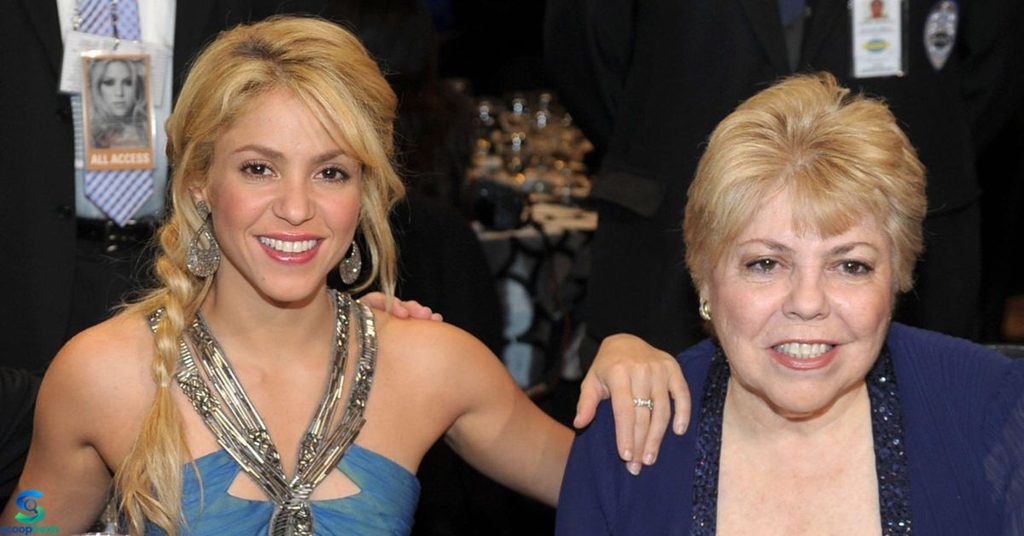
Nidia Del Carmen Ripoll Torrado is best known as the mother of Shakira, the Colombian singer and songwriter whose music has reached audiences worldwide. Born and raised in Barranquilla, Colombia, Shakira developed an interest in music at an early age and eventually became one of the most recognizable figures in Latin pop. Her family background offers useful context for understanding the environment in which her artistic interests developed.
Although Nidia maintains a relatively private public profile, her place in Shakira’s life has attracted continued curiosity. Understanding her story requires distinguishing established biographical information from assumptions about private family life, while recognizing the importance of family relationships in a young artist’s personal development.
A Mother’s Role Before the Spotlight
Before Shakira became an international recording artist, her life was rooted in Barranquilla, a Caribbean coastal city in northern Colombia. The city’s cultural traditions and musical diversity formed part of the environment in which she grew up. Her early interest in singing, songwriting, and performance eventually developed into a professional career.
Nidia Del Carmen Ripoll Torrado is Shakira’s mother, while her father is William Mebarak Chadid. Biographical accounts describe Shakira as the couple’s only daughter, with older half-siblings from her father’s previous marriage. Her family background includes Colombian and Lebanese cultural connections, which form part of the broader story of her upbringing.
Nidia’s significance is primarily connected to her family relationship with Shakira rather than a separate public career. Published biographies provide some information about the household and its influence on the singer, but they do not document every aspect of Nidia’s private life or parenting.
Family relationships can help children develop confidence, explore interests, and navigate uncertainty. However, Shakira’s achievements should also be understood through her own musical ability, creative decisions, discipline, and professional opportunities. Her mother’s place in the story provides context without diminishing the singer’s individual accomplishments.
Seeing Talent Early

Shakira showed an interest in music and creative expression during childhood. She began writing at a young age and participated in talent competitions before establishing herself as a recording artist. These early experiences helped turn her interests into a more focused pursuit.
According to published biographies, Shakira began entering talent competitions around age 10. At 13, she secured a recording contract with Sony Music Colombia, marking an important step toward a professional career. These milestones illustrate how childhood interests can develop into serious ambitions when combined with ability and opportunity.
Nidia’s place in Shakira’s early life makes her relevant to discussions about recognizing a child’s interests. Nevertheless, it would be inaccurate to claim that her mother alone discovered, trained, or directed Shakira’s talent without specific supporting evidence.
Parents can help children explore creative interests by noticing what motivates them, encouraging practice, and providing opportunities to learn. Such support is most effective when it leaves room for experimentation rather than requiring a child to meet predetermined expectations.
Shakira’s development demonstrates the importance of allowing artistic interests to grow over time. Her career was not the result of one moment or one influence but a combination of individual effort, early experiences, professional guidance, and continued development.
How Family Support Builds Early Confidence
Confidence often develops through repeated experiences of learning, practicing, and receiving constructive feedback. For children interested in music or other creative activities, encouragement from family members can make it easier to explore their abilities before receiving recognition from a wider audience.
Shakira’s early musical pursuits eventually opened professional doors beyond her hometown. However, a young performer needs more than talent to build a sustainable career. Practice, education, emotional well-being, access to opportunities, and the ability to learn from setbacks all contribute to personal development.
Nidia Del Carmen Ripoll Torrado is part of the family background surrounding Shakira’s childhood. Although the public record does not establish every detail of her individual contribution, her relationship with the singer remains an important part of the family story.
Supportive parenting does not mean promising a child that success is guaranteed. It means helping them understand that improvement takes time and that mistakes do not determine their worth. It also means recognizing when an ambition becomes stressful and when a child needs rest or a change of direction.
This balanced approach is relevant to aspiring performers in any field. Confidence grows when children can pursue their interests while maintaining a sense of identity beyond competitions, praise, or professional achievements.
The First Competitions and the Start of Discipline
Shakira’s early participation in talent competitions helped her gain performance experience while developing her musical interests. Her first recording contract at age 13 represented another milestone, although professional recognition did not immediately translate into international success.
Her early albums, Magia and Peligro, preceded the wider recognition she later achieved with Pies Descalzos. The latter helped establish her position in Latin music during the 1990s. Her development illustrates how an artist can continue refining a creative direction even when initial projects do not achieve the desired results.
Competitions and performances can teach young artists how to prepare, manage nervousness, and respond to feedback. Songwriting and recording also require patience, revision, and a willingness to experiment with different approaches.
It is important, however, not to assign specific coaching responsibilities to Nidia without reliable documentation. Shakira’s professional progress involved her own work and the opportunities, collaborators, and industry relationships she encountered along the way.
The broader lesson is that early enthusiasm becomes more productive when it is supported by consistent effort. Talent may create an opening, but developing skills and learning from experience help an artist make use of it.
Emotional Guidance in a Difficult Industry
The entertainment industry can involve rejection, demanding schedules, intense public scrutiny, and uncertainty about future opportunities. These pressures can affect performers at any age, particularly those who begin their careers while still developing their personal identities.
A supportive family environment can offer stability during periods of change. Parents and other trusted adults may help young people put disappointments into perspective, make thoughtful decisions, and recognize that professional outcomes do not determine their personal worth.
Shakira’s international career has brought substantial public attention to her family. However, the public record does not reveal every private conversation between her and her mother. It would therefore be inappropriate to invent specific advice, emotional exchanges, or personal sacrifices attributed to Nidia.
The relationship between celebrity and privacy is especially important when writing about relatives who have not pursued the same public career. Their connection to a famous performer does not mean every part of their personal lives is documented or available for public interpretation.
For young artists, emotional support can include listening without judgment, encouraging realistic goals, respecting personal boundaries, and helping them respond constructively to criticism. These principles are useful in understanding the wider importance of family relationships without making unsupported claims about a particular household.
Values That Went Beyond Music
Shakira’s public work extends beyond entertainment. She founded Fundación Pies Descalzos in 1997 to support educational opportunities for children in Colombia. The organization has developed education-focused initiatives, including school infrastructure and programs intended to improve access to learning.
Her philanthropic work forms an established part of her public biography. It also demonstrates how a successful artist can use public recognition and resources to support causes beyond music.
However, Shakira’s charitable activities should not automatically be attributed to particular lessons taught by her mother. Personal values generally develop through a combination of family experiences, education, individual reflection, and encounters with the wider world.
Nidia Del Carmen Ripoll Torrado is part of the family context in which Shakira grew up, but the available information does not establish that she directly shaped every aspect of the singer’s philanthropic decisions.
For families raising creative children, values such as empathy, responsibility, and respect can complement artistic development. These qualities help young people understand that personal achievement can coexist with concern for others.
Why Motherly Instinct Matters
The expression motherly instinct often describes a parent’s attentiveness to a child’s interests, needs, and changing behavior. It is best understood as a combination of observation, experience, communication, and responsiveness rather than an ability to predict the future.
In the context of Shakira’s life, this idea highlights the importance of childhood environments in which interests can develop. A young person may show enthusiasm for music, writing, dance, or another activity long before knowing whether it will become a profession.
Parents can respond by providing opportunities to learn while allowing children to explore different interests. They can also adjust their expectations as children mature and their ambitions change.
Nidia’s significance does not depend on having a highly visible public identity. Her relationship with Shakira is an established biographical fact, even though many details of her personal life remain private.
Read More:Nick Stapleton’s Wife: Who Is Lise? Marriage & Family 2026
Recognizing this distinction creates a more responsible account of her role. It acknowledges the importance of family relationships without suggesting that one parent can predict or control a child’s future.
What Creative Children Need From Parents
Children with creative interests benefit from encouragement, practical opportunities, and enough freedom to discover what they enjoy. Parents can support this process in several ways:
- Listen carefully: Give children space to discuss their ideas, interests, and concerns.
- Encourage exploration: Allow them to try different activities before expecting them to choose a permanent direction.
- Provide learning opportunities: When possible, offer suitable lessons, materials, books, and age-appropriate performance experiences.
- Recognize effort: Praise persistence and improvement rather than focusing exclusively on awards or exceptional results.
- Protect a balanced childhood: Make room for education, friendships, rest, and family life alongside creative activities.
- Build independence: Help children make age-appropriate decisions and learn from their mistakes.
These principles are relevant to Shakira’s story because her early interest in music developed into a long-term professional pursuit. However, they should not be presented as a verified description of Nidia’s individual parenting methods.
The needs of creative children also change as they grow. Younger children may need practical help and reassurance, while teenagers may benefit from greater independence and honest discussions about professional risks.
A healthy approach encourages ambition without making success an obligation. Children should be able to develop their abilities while understanding that their personal worth does not depend on becoming famous.
The Private Labor Behind Public Fame
Public recognition often hides the years of work, uncertainty, and personal adjustment involved in building a career. Musicians must develop their skills, make professional decisions, work with collaborators, and continue learning as the industry changes.
Family members, teachers, and mentors may contribute to this process in different ways. Some provide practical help, while others offer encouragement or a stable relationship outside professional life. Their influence can be meaningful even when it is not publicly documented.
Shakira’s journey from Barranquilla to international recognition reflects her creativity, persistence, professional decisions, and ability to connect with audiences across cultures. Her family background is part of that story, but it does not replace her own agency or the work of other contributors.
Nidia Del Carmen Ripoll Torrado is recognized primarily through her relationship with the singer. Beyond that established connection, specific claims about private sacrifices, career management, or daily responsibilities should be supported by reliable evidence.
The idea of private labor is therefore best treated as a broader observation about success rather than a list of unverified events from Nidia’s life. Public achievements may be visible to millions, while the relationships surrounding a person’s development remain largely outside public view.
Shakira’s Public Respect for Her Mother
Shakira’s family relationships attract interest because of her international success. As her mother, Nidia is an established part of the singer’s personal background and is frequently identified in biographical accounts.
Readers may naturally wonder how Shakira’s family influenced her development. Yet a responsible biography should distinguish between confirmed family relationships and assumptions about private interactions.
Claims about specific quotations, emotional conversations, personal sacrifices, or career decisions should not be included unless dependable sources verify them. Repeating an appealing story does not make it accurate.
Celebrity coverage can also create the impression that relatives must have their own public careers or detailed biographies. In reality, some family members prefer a lower profile, and the available information about them may be limited.
Nidia’s connection to Shakira can be discussed respectfully without turning her private life into gossip. Focusing on established facts and the broader significance of family relationships provides useful context while preserving the distinction between public information and personal privacy.
Hardship and the Shape of Ambition
Shakira’s early life has been discussed in biographies that describe family challenges, including financial difficulties associated with her father’s business circumstances. These accounts form part of the wider background to her childhood, but the precise emotional effects of such experiences should not be assumed without direct evidence.
Financial uncertainty can affect families in practical ways. It may require changes in spending, expectations, and daily routines. Children may become aware of these changes, although their understanding and responses vary from one individual to another.
It is equally important not to romanticize hardship or suggest that financial difficulty is necessary for success. Many factors contribute to a professional career, and adversity does not guarantee resilience or achievement.
Nidia’s place in Shakira’s family history offers context for considering how families navigate uncertainty. However, specific claims about how she personally responded to difficult periods require reliable documentation.
For parents supporting ambitious children, the central lesson is to offer appropriate reassurance while managing adult responsibilities. Children should be encouraged to learn from setbacks without feeling that they must solve problems beyond their control.
A Mother, Not a Brand
The relatives of famous people often become subjects of online searches even when they have not pursued public careers themselves. This attention can create pressure to produce detailed biographies despite limited reliable information.
Nidia Del Carmen Ripoll Torrado is best understood as an individual and Shakira’s mother, rather than as a public brand built around her daughter’s success. Her family relationship is well established, but it does not justify speculation about her private finances, professional activities, daily routines, or personal opinions.
It is also important to distinguish a family member’s connection to a successful artist from ownership of that artist’s career or wealth. Shakira’s professional achievements belong to her own career, and unsupported claims about relatives should not be used to fill gaps in available information.
A strong biography explains what is known, identifies uncertainty where necessary, and avoids repeating unverified claims simply because they appear on other websites.
Respecting privacy does not make a profile less useful. It helps readers understand the family connection without confusing public curiosity with evidence.
Lessons Readers Can Take From Her Story
The story of Nidia and Shakira provides an opportunity to consider broader lessons about family relationships and creative development. These lessons are useful for parents, teachers, mentors, and aspiring artists.
- Notice early interests: Curiosity can be the starting point of a skill that develops over time.
- Make encouragement practical: Children benefit when they have opportunities to practice and learn.
- Value persistence: Improvement often requires patience, repeated effort, and a willingness to revise mistakes.
- Protect well-being: Creative ambitions should leave room for education, friendships, rest, and privacy.
- Teach responsibility: Respect, empathy, and accountability are important alongside artistic ability.
- Respect individual agency: Parents can guide children, but young people need room to make decisions and develop their own identities.
These points are general lessons rather than verified descriptions of Nidia’s parenting methods. Shakira’s career also demonstrates that professional success involves much more than family encouragement. Talent, discipline, opportunity, collaboration, and individual choices all contribute.
For families supporting creative children, the aim should be to help young people develop their abilities without making fame the only acceptable outcome. That approach makes the broader themes of Shakira’s background relevant beyond celebrity culture.
Conclusion
Nidia Del Carmen Ripoll Torrado is best known as the mother of Shakira, whose journey from Barranquilla to international music recognition has drawn attention to the people and experiences surrounding her early life. Although public information about Nidia’s private contributions is limited, her family relationship with the singer remains an established part of Shakira’s biography.
A balanced account recognizes that family relationships can provide important personal context without claiming that one person caused every professional achievement. Shakira’s career reflects her own creativity and persistence, alongside the opportunities and experiences that helped her develop.
Ultimately, Nidia’s story is most meaningful when approached with accuracy and respect for privacy. It offers a starting point for understanding the family background of a celebrated artist while reminding readers that public success is only one part of a person’s life.
