

Marisela Vallejos Felix is best known as the wife and widow of Chalino Sánchez, the influential Mexican singer whose raw storytelling helped shape modern corrido and regional Mexican music. While Chalino became a lasting musical icon, Marisela remained largely outside the spotlight, and much of her personal life has not been documented publicly. Their marriage brought them two children, Adán Sánchez and Cynthia Sánchez Vallejo.
After Chalino was killed in 1992, the family’s story continued through the lives of his children and the lasting popularity of his recordings. Adán later established himself as a regional Mexican singer before dying in a car accident in 2004 at age 19. Marisela’s story offers a more personal perspective on fame, family, bereavement, and the people connected to a musical legend.
Quick Facts
| Fact | Details |
| Full Name | Marisela Vallejos Felix |
| Name Variations | Marisela Vallejo, Maricela Vallejos |
| Known For | Chalino Sánchez’s wife and widow |
| Husband | Chalino Sánchez (Rosalino Sánchez Félix) |
| Marriage Year | 1984, according to published biographies |
| Husband’s Death | May 16, 1992 |
| Place Associated With His Death | Culiacán, Sinaloa, Mexico |
| Children | Two |
| Son | Adán Sánchez |
| Daughter | Cynthia Sánchez Vallejo |
| Son’s Death | March 27, 2004 |
| Public Profile | Largely private |
Who Is Marisela Vallejos Felix?
Marisela Vallejos Felix is known primarily through her relationship with Chalino Sánchez, the Mexican singer and songwriter whose corridos earned him a lasting place in regional Mexican music. She was his wife and the mother of their two children. Although Chalino’s career and personal history have attracted extensive public interest, considerably less information is available about Marisela’s life outside her family relationships.
Published biographies generally report that Marisela and Chalino met in California in the early 1980s and married in 1984. Their son, Adán, was born that year, and their daughter, Cynthia, later became part of the family. These details provide the foundation for understanding Marisela’s connection to the singer without inventing an elaborate personal biography.
Her name appears in different forms across articles and entertainment websites. Some sources use Marisela Vallejos Felix, while others use Marisela Vallejo or Maricela Vallejos. Writers should check the context of each reference rather than automatically treating these variations as different people.
Marisela’s limited public profile also means that many personal details remain uncertain. Claims about her exact birthday, education, career, private relationships, or present-day circumstances should not be repeated as established facts without dependable evidence.
Her story is nevertheless important to the history surrounding Chalino Sánchez. It reminds readers that behind a famous performer is a family whose experiences extend beyond the music and public image.
The Man Marisela Married Before He Became a Legend
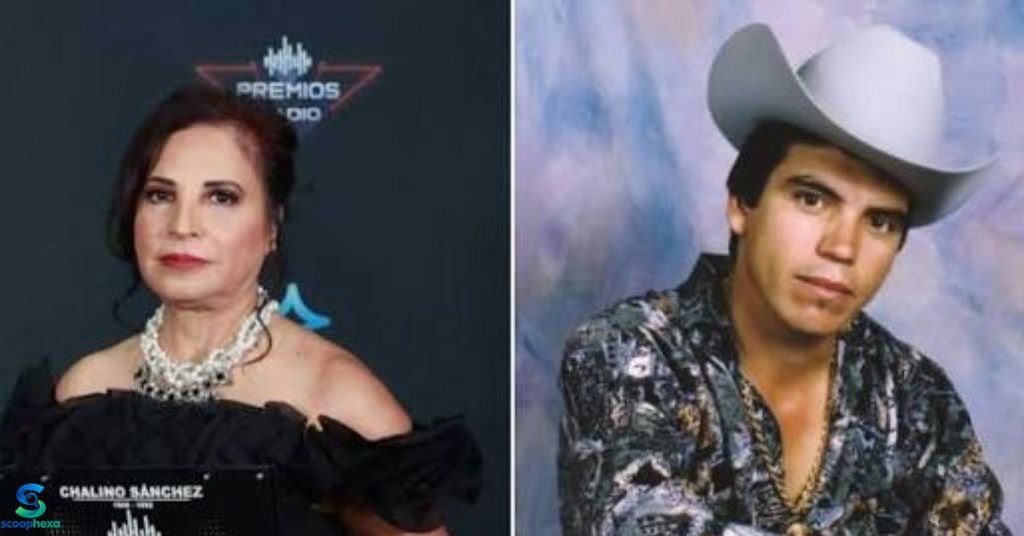
Chalino Sánchez was born Rosalino Sánchez Félix in Sinaloa, Mexico. He later moved to the United States, where he developed a musical career shaped by corridos, a Mexican storytelling tradition that often addresses real people, historical events, hardship, conflict, and everyday struggles.
Unlike performers who built their reputations through polished mainstream productions, Chalino became known for a distinctive voice and an unvarnished musical style. His songs connected with listeners who recognized the experiences and social realities reflected in his storytelling.
His growing reputation, however, was only one part of his life. Marisela knew him through their relationship and family, a perspective different from the one audiences encountered through recordings and performances.
Public accounts cannot reveal every aspect of their marriage, and romantic details should not be invented to make the story more dramatic. The available information supports their marriage and parenthood, but it does not provide a complete account of their private relationship.
This distinction matters when discussing the cost of loving a legend. Fans often remember an artist through memorable songs and public stories, while family relationships involve personal commitments and experiences that may never become public knowledge.
The Night That Changed the Sánchez Family
Chalino Sánchez was killed in May 1992 in Sinaloa, Mexico. His death became one of the defining events associated with his legacy and contributed to the enduring fascination surrounding his life.
On May 16, 1992, his body was found near a highway outside Culiacán after he had performed in the city. Accounts of his final hours have circulated for decades, including stories about a note reportedly handed to him during a performance. However, not every detail repeated in popular accounts has been independently established.
The killing left his family without a husband and father. For audiences, it became a dramatic chapter in the story of a celebrated singer. For those closest to him, it was a personal loss whose consequences continued long after the headlines faded.
His death also changed how many listeners interpreted his music. As his reputation grew, his recordings became increasingly associated with the events of his life and the mystery surrounding his killing.
That association helped preserve public interest in Chalino, but it also encouraged speculation. A responsible account should distinguish documented events from unconfirmed explanations and avoid presenting rumors as historical facts.
Marisela’s experience of losing her husband remains a personal matter unless described through reliable public statements. Recognizing the significance of the tragedy does not require assuming how she felt or how she managed her private life afterward.
Life as the Widow of a Musical Legend
Chalino’s reputation continued to grow after his death. His recordings reached new audiences, and his influence remained part of conversations about corridos and regional Mexican music.
Marisela consequently became known to many readers through her identity as Chalino’s widow. This connection explains why people search for her biography, but it does not provide a complete picture of her individual life.
Being connected to a famous person can create an unusual relationship with public attention. Relatives may find their names appearing in articles, online discussions, and retrospective accounts even when they have not chosen careers in entertainment.
For the family of a deceased musician, that attention may continue for decades. Anniversaries, tributes, documentaries, and new discussions about an artist can renew interest in the people closest to him.
However, it would be misleading to claim that Marisela necessarily experienced fame in a particular way or spent her life in isolation. Reliable information about her personal responses and later decisions is limited.
The more balanced interpretation is that Chalino’s public legacy and Marisela’s private life are related but not identical. His music belongs to a wider cultural history, while her individual experiences should not be reconstructed from assumptions.
Also Read:Oona Seppala: Age, Parents, Sister & Private Life 2026
Motherhood After Tragedy
Marisela and Chalino had two children: Adán Sánchez and Cynthia Sánchez Vallejo. Their family story continued after Chalino’s death, with both children connected to the legacy of their father.
Adán followed his father into regional Mexican music and developed a career of his own. He became known as a young singer whose recordings included romantic songs as well as music connected to his family’s musical background.
According to a report published by The Los Angeles Times on March 30, 2004, Adán died at age 19 in a car crash in Sinaloa, Mexico. He had been traveling on a promotional trip when the vehicle he was in overturned after a tire blew out. The report described him as a rising young Latino singer who had established his own following.
Adán’s death was a separate tragedy from his father’s killing, occurring nearly 12 years later. The two events are sometimes discussed together because they form significant parts of the family’s public history, but their circumstances were different.
For Marisela, the public record identifies two major losses involving close family members. It does not, however, establish the details of her private grief, parenting decisions, or emotional recovery. Those matters should not be presented as facts without direct and credible evidence.
Cynthia also deserves recognition as an individual rather than simply as a supporting character in her father’s biography. Her family connection is publicly relevant, but it does not mean that every aspect of her personal life should be treated as public information.
Public Grief and Private Grief
Public grief often takes the form of memorials, tributes, interviews, and celebrations of an artist’s work. Private grief unfolds within families and personal relationships, frequently away from cameras and public discussion.
When Chalino died, his listeners lost a musician whose recordings held meaning for them. His family lost someone they knew through everyday relationships and shared experiences. Both forms of loss matter, but they are not interchangeable.
The same distinction applies to Adán. Fans could remember his performances and celebrate his music, while his relatives faced the loss of a son and brother.
Public attention can sometimes create the impression that grief must be visible to be genuine. In reality, people respond to bereavement differently. Some choose to speak publicly, while others protect their memories and personal boundaries.
Marisela’s limited public profile makes it especially important not to speak on her behalf. The absence of extensive interviews does not prove anything about the depth of her feelings or how she chose to move forward.
A respectful biography can acknowledge the losses in her family without turning them into dramatic storytelling devices.
Chalino Sánchez’s Musical Legacy and the Corrido Controversy
Corridos are a traditional form of Mexican narrative music that tells stories about people, events, conflicts, and social experiences. Over time, the genre has evolved through different musical styles and regional influences.
Chalino Sánchez became associated with a raw approach to corrido storytelling that resonated with many Mexican and Mexican American listeners. His music often addressed hardship, danger, loyalty, and the difficult circumstances surrounding particular lives.
Some of the music associated with Chalino is discussed within the broader category of narcocorridos. These are corridos that deal with drug trafficking, organized crime, or people connected to those worlds. The subject has generated debate about artistic freedom, social representation, and whether certain songs glamorize criminal activity.
It is important not to treat every corrido as a narcocorrido or assume that all songs communicate the same message. The genre is broader than one subject, and individual recordings deserve to be understood in context.
Chalino’s death became closely connected to his public image. For some listeners, his life story intensified the impact of his music; for others, the mythology surrounding his killing sometimes overshadowed his musical contributions.
His legacy continues through recordings and the influence his work has had on regional Mexican music. That cultural significance can be recognized without romanticizing violence or presenting unverified stories about his life as fact.
Why Marisela Vallejos Felix’s Story Still Matters
Interest in Marisela reflects a wider curiosity about the families behind famous performers. Readers often begin by searching for a musician’s spouse or children because they want to understand the person behind the public image.
Her story also illustrates how a family can remain connected to a public legacy long after the events that first brought it attention. Chalino’s music continues to attract listeners, while Adán’s career and early death form another part of the family’s history.
There are three particularly important aspects of this story.
First, fame can extend beyond the performer. Spouses and children may become subjects of public curiosity without pursuing celebrity themselves.
Second, a musical legacy can preserve both achievement and tragedy. Chalino’s influence on corrido music is significant, but his death and the later loss of Adán are separate events involving real people and families.
Third, identity extends beyond family connections. Describing Marisela as Chalino’s wife or widow helps readers understand her place in his biography, but those labels do not explain her entire life.
The most trustworthy account is not necessarily the most dramatic. It is the one that explains the known facts, acknowledges uncertainty, and respects the difference between public history and private experience.
Final Thoughts
Marisela Vallejos Felix remains best known as the wife and widow of Chalino Sánchez and the mother of their two children, Adán and Cynthia. Her family’s story is closely connected to a musician whose influence on regional Mexican music continues to attract attention.
Chalino’s killing in 1992 and Adán’s death in 2004 are important parts of that history, but neither event provides complete insight into Marisela’s personal experiences. Her private responses, later relationships, and current circumstances should not be filled in with unsupported claims.
The story of Marisela Vallejos Felix offers a reminder that the people behind a musical legend have lives beyond the public narrative. Remembering the family alongside the music creates a more thoughtful understanding of fame, loss, and the lasting impact of a cultural legacy.
